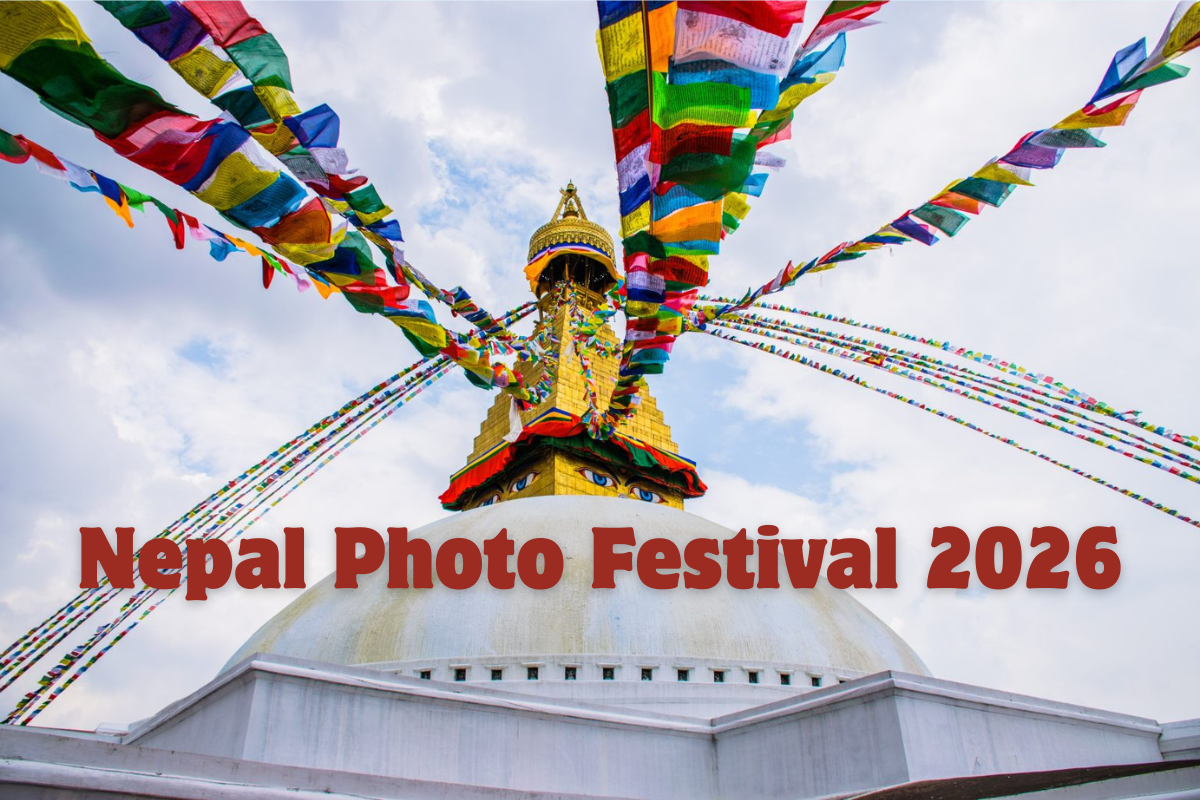
The Lens on the Himalayas: A Definitive Guide to the Nepal Photo Festival 2026 and the Visual Renaissance of South Asia
The Nepal Photo Festival 2026 is officially organized by the WordPress Community of Nepal, functioning under the umbrella of the global open-source WordPress project
On a localized ground level, the execution, on-site management, and local hosting are driven directly by:
WordPress Pokhara: The primary regional community group responsible for coordinating the opening phases, workshops, and meetups within the lakeside city.
WordCamp Nepal: The national collaborative body assisting with country-wide outreach, logistics, and organizing volunteers to transition operations up to Ghandruk.
Introduction: A New Paradigm for Visual Storytelling
The global photography landscape is shifting rapidly. For decades, major international photo festivals have been anchored exclusively in Western cultural hubs Arles, Houston, Perpignan, and Bristol. However, the true epicenter of contemporary visual storytelling has steadily migrated toward South Asia, bringing a refreshing wave of contemporary documentary photography South Asia into global focus.
In May and June of 2026, this evolution reaches a spectacular milestone with the staging of the inaugural nepal photo festival 2026.
Running from 16 May to 13 June 2026, this unique, month-long festival breaks away from traditional, white-walled gallery spaces. Instead, it embeds itself directly into the natural, architectural, and cultural topography of Nepal.
Spanning two primary locations the vibrant, lakeside city of Pokhara and the high-altitude, traditional Gurung village of Ghandruk (2,000 meters above sea level) the festival is far more than a showcase of beautiful imagery. It represents a bold experiment in open-source community building, cultural preservation, and decolonized visual narratives.
Whether you are a professional photojournalist, an open-source contributor, a cultural anthropologist, or a traveler tracking traveling to nepal photo festival 2026, this comprehensive guide offers the ultimate deep dive. We will explore the festival’s unique structure, core themes, spatial philosophy, logistical realities, and its place within the broader Himalayan arts scene.
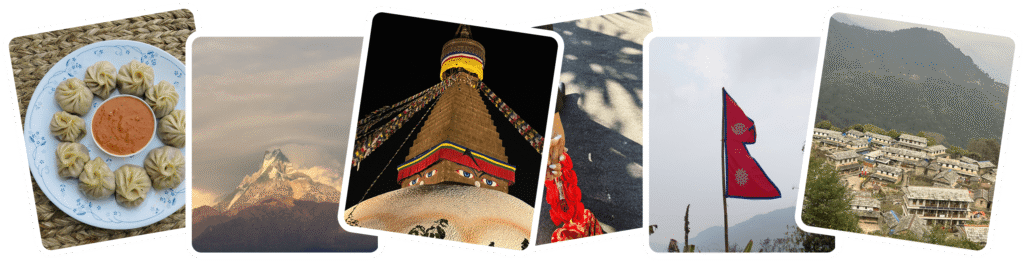
1. The Genesis: Why an Open-Source Photo Festival?
To understand the unique DNA of this movement, one must look at its foundational philosophy. Unlike commercial art fairs or elite biennials that operate behind paywalls and exclusive gallery invites, this event was born out of a specialized, grassroots wordpress community photo festival nepal initiative, transforming into a true nepal open source photo festival.
Breaking the Commercial Lens
Historically, documentation of the Himalayan region has been dominated by an external, often exoticizing lens. Foreign expeditions, climbing photographers, and travel magazines have frequently framed Nepal through a narrow perspective: either as an extreme playground for adventure or as a timeless, static repository of mysticism.
The organizers have radically flipped this script. By creating a dedicated himalayan photography open archive, the festival democratizes exactly who gets to tell the story of Nepal. This framework prioritizes:
- Local Agency: Empowering local creators to publish local stories from nepal images.
- Open Access: Eliminating entry fees for exhibitions, workshops, and panel discussions to ensure that local populations are the primary audience and participants.
- Digital Commons: Encouraging contributors to share raw data, creating a rich, accessible visual history of nepal archive for the entire world.
2. Spatial Philosophy: From Lakeside to the Alpine Trails
The festival’s structure is split across two distinct geographical and cultural ecosystems. This deliberate spatial design forces a dialogue between the modern, urbanizing hubs of Nepal and its rural, indigenous heartlands.
Phase 1: Pokhara – The Urban Crucible
The activation officially began with the pokhara photo festival may 2026 segments, where urban environments became the canvas. Known for its serene waters and dramatic mountain views, Pokhara serves as the logistical and intellectual incubator of the festival.
In Pokhara, the focus is highly collaborative and tech-forward. Events are distributed across lakeside cafes, public parks, and community halls. Key focus areas here include:
- Visual Literacy Workshops: Reviewing the nepal open source image directory and teaching local youth the basics of digital composition.
- The Tech-Photo Intersection: Panel discussions detailing the npf 2026 image submission pipeline and exploring how open-source web ecosystems can protect indigenous intellectual property.
- Night Projections: Staging phewa lake night photography projections, which transform public spaces into fluid, illuminated galleries after sunset.
Visitors tracking the nepal photo festival schedule 2026 can explore the npf 2026 pokhara events calendar, which lists continuous daytime outdoor panels and nocturnal light installations.
Phase 2: Ghandruk – The High-Altitude Sanctuary
As the timeline progresses, the festival undergoes a physical and thematic elevation. The final, closing phases move up the mountain trails for the ghandruk photo festival june 13 event, centering around a legendary Gurung settlement situated at 2,000 meters within the Annapurna Conservation Area.
Ghandruk is famous for its slate-roofed stone houses, terraced fields, and panoramic mountain views. Hosting a photo festival here is a logistical feat, but a deeply intentional one. By moving to the mountains for the ghandruk grand closing npf 2026, the festival:
- Engages Indigenous Audiences: The gallery walls are the outer stone faces of traditional homes, making the art inseparable from the daily lives of the community.
- Explores Mountain Realities: It brings creators face-to-face with the immediate impacts of climate change, rural out-migration, and cultural preservation in high-altitude environments.
- The Grand Finale: On 13 June 2026, the mountain village will host the festival’s grand closing, featuring community feasts, traditional musical performances, and final outdoor projections under the open Himalayan sky.
3. Core Thematic Pillars of the 2026 Festival
The curators of the himalayan photography festival 2026 have organized the open-source submissions and curated tracks around four critical thematic pillars. These pillars reflect the urgent socio-economic and ecological realities of modern Nepal.
Pillar I: Changing Landscapes and Climate Realities
Nepal is on the frontlines of the global climate crisis. The rapid melting of Himalayan glaciers, the formation of dangerous glacial lakes, and erratic monsoon patterns directly threaten millions of lives downstream. The photography within this pillar moves past simple aesthetic landscape shots. Instead, it focuses on:
- himalayan glacier melting photography: Comparative exhibitions displaying archival images side-by-side with contemporary photos to visually prove the retreat of ice masses.
- climate change photo essay nepal: Powerful narratives highlighting human adaptation and stories of high-altitude farmers adapting to shifting growing seasons.
- environmental photojournalism nepal: Raw, investigative documentation of infrastructure development and its impact on fragile mountain ecosystems, backed by a massive glacial lake retreat visual archive.
- high altitude farming photo series: Portraying the tough agricultural realities faced by remote communities under volatile weather patterns.
Pillar II: Living Heritage and Indigenous Sovereignty
Rather than treating culture as a museum artifact, this pillar celebrates heritage as a living, breathing, and evolving practice. Photographers focus heavily on the daily rhythms, spiritual life, and social structures of Nepal’s diverse ethnic groups.
- living heritage photography nepal: Curated series showing how ancient rituals survive in a globalized world.
- indigenous culture photography nepal: Collaborative projects where community members co-author captions, ensuring their voices dictate how their culture is interpreted.
- gurung community portrait photography: Documenting the unique traditions, dress, and daily practices of the inhabitants of the Annapurna foothills.
- visual ethnography annapurna region: Highlighting the cultural continuity of remote mountain settlements.
- nepal ethnic festivals photo gallery: Showcasing stunning visual documentation of regional celebrations.
Pillar III: The Migrant Thread
No conversation about modern Nepal is complete without addressing labor migration. Remittances make up a massive percentage of Nepal’s GDP, with hundreds of thousands of young people working across the Gulf States and Southeast Asia. This pillar explores the profound visual and emotional weight of this demographic shift:
- nepal labor migration photo essay: Documenting the emotional journey of workers’ departures and returns.
- left behind villages nepal photography: Haunting photo essays documenting rural communities populated almost entirely by children and the elderly.
- remittance impact visual storytelling nepal: Exploring the changing economic architectures of rural towns.
- migrant workers smartphone photo exhibit: Multimedia installations combining smartphone photography taken by migrant workers abroad with portraits of their families in rural villages.
- returnee youth entrepreneurs nepal photo: Visual stories of young Nepalis returning home with new skills, investing back into their native soils.
- rural out migration chimneys photos: Capturing abandoned fields and structural ruins left behind in the wake of mass urban migration.
Pillar IV: Radical Archives and Open-Source Ecosystems
As a specialized community initiative tied closely to open-source web philosophies, this track explores the mechanics of image delivery, storage, and rights management.
- nepal cultural image metadata guide: Teaching creators how to properly embed geographic, cultural, and historical metadata into image files to prevent the erasure of local contexts online.
- decolonizing himalayan photography archive: Creating frameworks that dismantle colonial biases in historical imagery.
- free digital photo archive nepal: Offering global educators free access to high-fidelity documentation of the region.
4. The Broader Tapestry: Nepal’s Concurrent Art Movement
The nepal photo festival locations 2026 network does not exist in a vacuum. It is part of a massive, synchronized visual arts boom occurring across the country. If you are traveling through the region during this period, the entire country serves as an open-air canvas.
PhotoKTM (Photo Kathmandu)
While NPF 2026 takes over the Pokhara and Annapurna region, the capital city remains anchored by the long-standing work of photo.circle. Seeking out photoktm 2026 dates allows travelers to balance their itineraries between rural and urban exhibits. In 2026, they are continuing their deep-rooted educational and structural initiatives, including their highly selective photo circle fellowship program 2026 running through September.
While NPF focuses heavily on landscape, community open-source mechanics, and geographical transitions, the creative collective photo circle nepal specializes in deep, multi-year, socio-political research and conceptual documentary photography.
Kathmandu Art Biennale 2026
Simultaneously, the contemporary art world is converging on the capital for the kathmandu art biennale 2026 theme cycles. Under the overarching title convergence of lineages biennale kathmandu, this massive festival features more than 50 elite global artists. The Biennale highlights how traditional South Asian art lineages intersect, clash, and merge with modern digital mediums, installations, and performance art, providing an excellent urban counterweight to the rural focus of NPF’s Ghandruk phases.
Those monitoring contemporary art exhibitions kathmandu 2026 or evaluating south asian art biennials 2026 will find this cross-pollination of photography and fine arts unprecedented.
photoNepal Exhibitions
For travelers looking for quick, accessible introductions to regional photography, the Nepal Tourism Board continues its ongoing photonepal exhibition tourism board series. Hosted regularly at the nepal tourism board photo gallery, these short-form curations focus primarily on wildlife photography, trekking maps, and cultural highlights designed to promote ethical, domestic eco-tourism, solidifying the output of visual arts festivals nepal 2026.
5. Practical Traveler Guide: Attending NPF 2026
Attending a festival split between an urban lakeside and a remote mountain village requires careful planning. Below is your practical guide to navigating the logistics smoothly.
Navigating the Locations
Getting to Pokhara
Pokhara is easily accessible from Kathmandu. You can take a scenic, 25-minute domestic flight landing at the pokhara international airport to lakeside transit corridor, or opt for a 6-to-8-hour tourist bus ride along the Prithvi Highway.
Transitioning to Ghandruk
To follow the festival up to Ghandruk for the grand closing, you will need to know how to travel pokhara to ghandruk. You will move from Pokhara to Nayapul via a pokhara to ghandruk jeep rental or local bus. From Nayapul, you can embark on a scenic trek following the nayapul to ghandruk trail conditions up stone staircases through rhododendron forests. Make sure to review a trekking itinerary ghandruk photo festival map and secure your annapurna conservation area entry permit before starting your journey.
Accommodation Strategies
- In Pokhara: Stick to the Lakeside area. There are hundreds of options, and securing pokhara lakeside festival accommodation early ensures you stay within walking distance of the primary exhibition cafes and evening events.
- In Ghandruk: Accommodation consists entirely of traditional community-run teahouses. During the final festival week leading up to June 13, rooms fill up incredibly fast. It is highly recommended to finalize your ghandruk teahouse booking june 2026 ahead of time.
6. Gear & Technical Tips for Mountain Photographers
Shooting and displaying art in high-altitude environments presents significant challenges. Photographers must carefully manage their technical workflows to ensure success.
Camera Protection and Packing
When selecting the best camera gear for trekking nepal, weight and durability are everything. The pre-monsoon transition means mornings are clear, but afternoon showers are common. Knowing how to go about protecting camera from monsoon rain nepal is vital.
- Pack dry-bags and waterproof sleeves for all camera bodies.
- Keep a specialized kit for cleaning dust camera sensor trekking to manage trail debris.
- Carry the best lenses for himalayan landscapes—a versatile 24-70mm f/2.8 lens combined with a lightweight 70-200mm lens will cover almost any scenario.
Power and Connectivity in the Hills
Grids in the mountains can experience seasonal drops. Packing a high altitude power bank photography kit with heavy-duty power banks (20,000+ mAh) is critical to keep your devices running. For storage, rely on a rugged portable storage for travel photographers workflow, backing up your images to dual external SSDs daily.
For real-time updates and uploads on the trail, you can count on ncell 4g coverage ghandruk hills data packages, which offer stable connectivity across most of the village.
Master Checklist for Outdoor Production
- ghandruk altitude photography tips: Allow your gear to acclimate to temperature changes slowly to prevent lens condensation.
- drone laws photography pokhara lake: Ensure you obtain Civil Aviation Authority of Nepal (CAAN) permits before flying drones near water bodies or populated areas.
- outdoor photo projection equipment setup: Use high-lumens projectors with weather-proof cases for open-air evening displays.
- travel photography workflow on trail: Offload files, tag metadata, and clear your memory cards every single night.
- smartphone photography settings mountains: Shoot in RAW format using light-metering apps to capture high-contrast mountain ridges without blowing out the highlights.
7. Curators’ Corner: How to Contribute to the Open-Source Archive
If you are an independent photographer traveling through or living in Nepal, the festival actively invites your participation. You do not need an established portfolio or elite agency backing to contribute to this expanding cultural record.
The Digital Submission Pipeline
The open-source core of the festival operates on a simple, transparent submission pipeline. To submit photos nepal photo festival curators will review, follow these steps:
- Format and Curation: Select up to 10 high-resolution images that speak directly to the core themes.
- Metadata Injection: Ensure each file contains detailed descriptive data, following the nepal cultural image metadata guide.
- Licensing Choice: Choose your open license framework. The festival encourages creative commons photography nepal models (such as CC BY-NC-SA), which permit educational use worldwide while barring unauthorized commercial monetization. Learn how to license photos nepal festival parameters during introductory community panels.
- Submission Portals: Upload your files through the designated open-source community directories or participate in a localized photo edit-a-thon pokhara 2026 event hosted in the Pokhara community hubs during the festival weeks.
8. Professional Networking and Community Impact
Beyond the imagery, the festival serves as a critical networking hub for the visual arts industry across South Asia, creating long-term professional opportunities for regional creators.
Networking Infrastructure
By visiting the festival, independent creators can connect with the nepali photojournalists association and join broader south asian photojournalist networks. These interactions are supported by organized events, including:
- photography workshops pokhara lakeside: Intensive masterclasses led by industry veterans.
- portfolio review nepal photo festival: Formal sessions where emerging artists receive direct feedback from international editors and curators.
- kathmandu documentary photography workshops: Technical courses held in the capital that feed directly into the festival pipeline.
Amplifying Independent Voices
The festival serves as a launching pad for independent visual storytellers nepal and freelance documentary photographer kathmandu cohorts, giving them a platform to share their work with global media outlets. Through localized visual literacy programs nepal, the festival helps ensure that the next generation of Nepali photographers has the tools, technical skills, and platforms needed to tell their own stories, shape their own narratives, and manage their own creative futures.
9. Visual Inspiration: Capturing the Spirit of the Region
For creators looking for specific aesthetic inspiration, the natural beauty and rich cultural life of the Annapurna region provide an incredible canvas.
Landscape and Light Masterpieces
The geographic transition from the lowlands to the mountains offers an endless variety of visual opportunities. Photographers can focus on:
- annapurna landscape photography 2026: Highlighting the scale of the massive mountain ranges.
- machhapuchhre mountain sunrise photos: Capturing the first morning light hit the iconic Fishtail peak.
- annapurna south morning light photo: Documenting the golden hour illumination over high-altitude stone settlements.
- nepal monsoon transition photography: Photographing dramatic storm clouds rolling over the terraced hillsides.
- best places to photograph in pokhara: A curated guide to finding the best vantage points around the valley rim.
Street and Community Documentation
Away from the mountain peaks, the daily life of the local communities offers a rich environment for documentary work. Photographers can capture:
- inspiring photos of ghandruk village: Highlighting the unique architecture and daily rhythms of the community.
- ghandruk traditional stone houses photo: Documenting the historic architecture of the Gurung settlement.
- gurung matriarchs visual story: A portrait series focusing on the older generation of women who maintain communal cohesion.
- street photography pokhara lakeside: Capturing the vibrant, eclectic energy of the lakeside tourist district.
- traditional music ghandruk festival: Documenting the dances, instruments, and performances during the closing ceremonies.
10. The Horizon Beyond the Frame
As the festival heads toward its closing on 13 June 2026 in the high stone streets of Ghandruk, it leaves behind a blueprint for the future of regional art festivals.
By taking photography out of pristine city galleries and embedding it along trekking paths, rural homestays, and lakeside public parks, the event proves that art is at its best when it is democratic, accessible, and grounded in community. It provides local storytellers with a global platform while offering international visitors a deep, authentic, and unvarnished look at the complex realities of the Himalayas.
The images projected against the Annapurna horizon this season are more than just snapshots; they are an urgent, living testament to Nepal’s history, resilience, and visual future. For those looking to connect with these ecosystems, exploring the networks around fine art photography galleries nepal, visiting meet photographers in pokhara 2026 mixers, or studying the work of himalayan mountain photography masters offers an invaluable entry point into this historic visual movement, bolstered by eco tourism photography nepal developments.
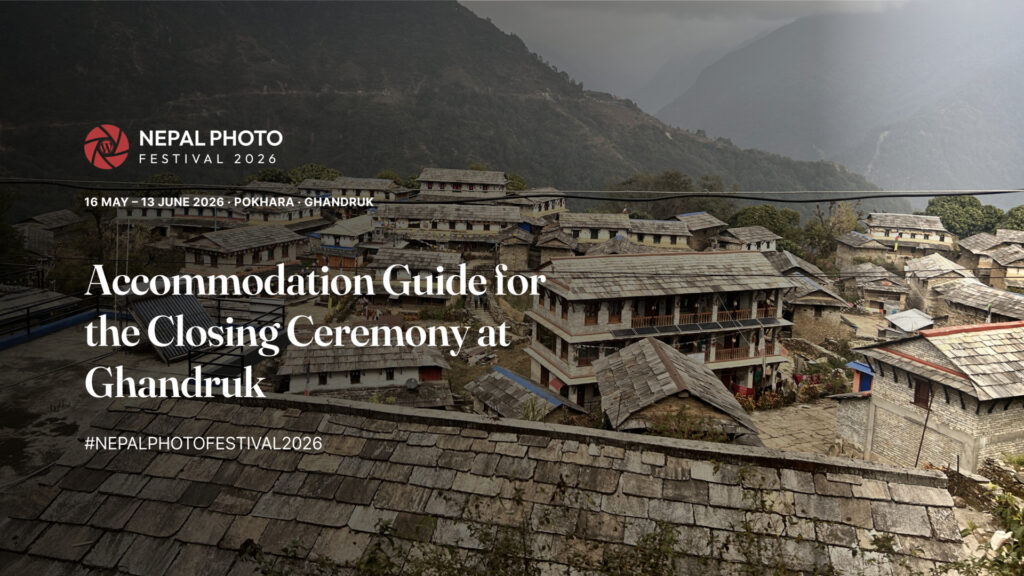
Accommodation Guide for the Closing Ceremony at Ghandruk
The closing ceremony of Nepal Photo Festival 2026 takes place on 13 June 2026 in Ghandruk, a beautiful Gurung village perched at 2,000 metres with the Annapurna range as its backdrop. If you are planning to attend, you will need to arrange your own accommodation. We have put together a list of hotels and homestays in Ghandruk to make your planning easier.
Please note that all accommodation costs are to be borne by the attendees themselves. We recommend booking in advance as availability may be limited.
How to Get to Ghandruk
Ghandruk is accessible from Pokhara by jeep or bus.
🚙 Jeep: Ghandruk Jeep Counter, Harichowk, Pokhara Contact: 9846360961 / 9817181761
🚌 Bus: Baglung Bus Park, Pokhara Contact: 9848252695
More on this will be published in another blog shortly.
Where to Stay
Ashish Aama Homestay
Contact: Anil Gurung — 9806673025
Package options:
Attached room — Rs 1,700 per person (chicken dinner + breakfast)
Non-attached room — Rs 1,500 per person (chicken dinner + breakfast)
View on Google Maps
Simon Guest House
Contact: Manoj Gurung — 9846171955
Package: Rs 1,800 per person Includes chicken dinner, attached room, and breakfast.
View on Google Maps
Hotel BS
Contact: Bikram Gurung — 9856035967
Package: Rs 2,000 per person Includes chicken dinner, room with attached toilet and bathroom, and breakfast.
View on Google Maps
Hotel Royal View Inn
Contact: Mina Gurung — 9819197304
Package: Rs 2,000 per person Includes chicken dinner, attached room, and breakfast.
View on Google Maps
Excellent View Lodge
Contact: Ishwor Gurung — 9846941927
Package: Rs 2,500 per person Includes chicken dinner, room with attached bathroom, and breakfast.
View on Google Maps
Ghandruk Cultural Resort by Hilly Valley
Contact: Rajiv — 9862706806
BB Plan rates:
Normal room — Rs 1,500 per person per night
Deluxe room — Rs 2,500 per person per night
Suite room — Rs 3,000 per person per night
View on Google Maps
Panorama View Point Lodge and Restaurant
Contact: Raj Bahadur Gurung — 9846398625
Room rate: Rs 1,500 per night
We hope this helps you plan your stay in Ghandruk. If you have any questions, feel free to reach out to us through the event website.
See you in Ghandruk on 13 June! 🏔️📸