BMSM Maury Firm Bharatpur Metropolitan Municipality Sajhapur 28 balkrishanasaran Aryal
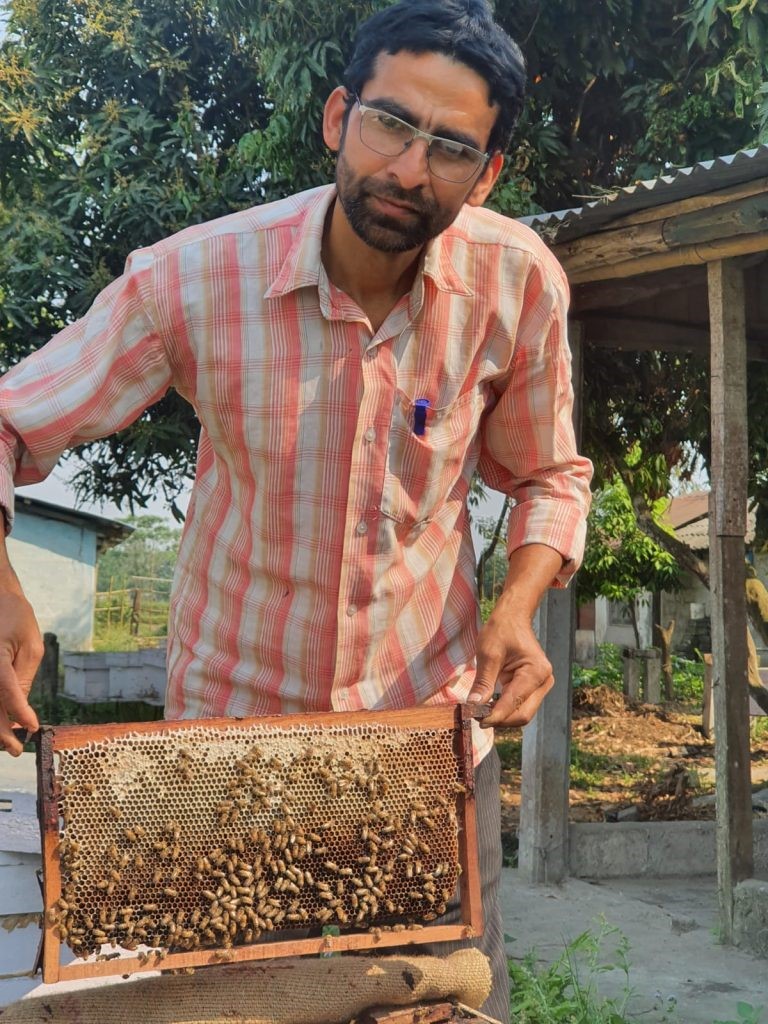
Here in Sajhapur-28, where the fields of Bharatpur breathe with the rhythm of the seasons, there is a constant, gentle hum. It’s the sound of a million tiny wings beating in unison, the sound of a silent contract being honored. To be a beekeeper is to be more than a farmer; it is to be a partner in one of nature’s most profound and ancient collaborations. At BMSM Maury Firm, we don’t just harvest honey; we act as stewards of this golden covenant.
Most people see a bee and think of a sting, or perhaps a drop of honey in their tea. But when I look at a hive, I see a living, breathing city, a masterpiece of social engineering that has been perfected over millennia.
The Soul of the Hive: More Than Just Insects
The world of bees is a complex tapestry. Within the golden walls of the comb exists a society so intricate it rivals our own. We speak of three main types, but these are not mere classifications; they are castes, each with a sacred duty.
- The singular, egg-laying matriarch—the Queen—is the heart and future of the entire colony. Her existence dictates the hive’s very survival.
- The enigmatic Drones, with their sole, poignant purpose, exist for a fleeting, vital moment to ensure the continuation of the genetic line.
- And then there are the tireless legions of Workers. These sterile females are the true lifeblood of the city. They are the foragers, the nurses, the architects, the guards, and the engineers who transform sunlight, water, and pollen into life itself.
Beyond our honeybees, this family extends into a breathtaking diversity of over 20,000 species worldwide, from the robust, fuzzy Bumblebee to the independent Solitary Bee. Each plays a unique, irreplaceable role in the grand tapestry of pollination that our planet depends on.
The Alchemy of Sunlight and Sugar
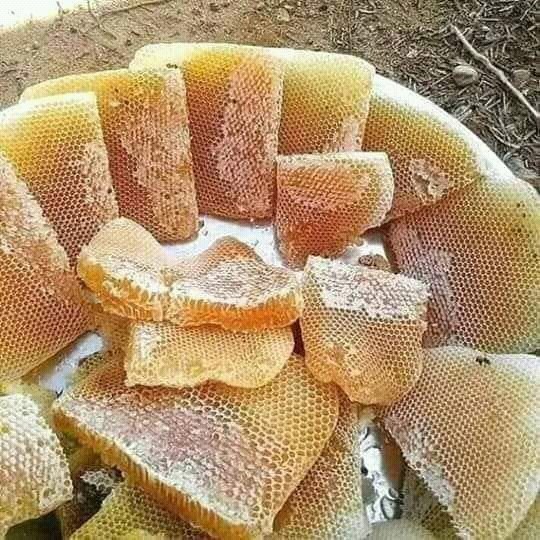
The creation of honey is nothing short of alchemy. It is a process that transforms the ephemeral sweetness of a flower into an eternal food. It begins with a dance on a blossom, as a worker bee carefully siphons nectar into her specialized honey stomach.
Back in the warmth of the hive, this nectar is passed from bee to bee, mouth to mouth, each exchange infusing it with enzymes that begin to break down its complex sugars. This isn’t just storage; it’s the beginning of a transformation. The nectar is deposited into the hexagonal cells of the comb—a masterpiece of engineering designed for maximum strength with minimal material.
Then, the humming intensifies. The workers fan their wings in a coordinated effort, creating a gentle, constant airflow that evaporates the water from the nectar. As the moisture content lowers, the liquid thickens, ripens, and clarifies, its sugars becoming concentrated and stable. Once it reaches perfection, the bees cap the cell with a pristine layer of beeswax. They are not just storing food; they are sealing away liquid sunlight, a perfect, incorruptible energy source for the dark days of winter.
The Gift of the Hive: A Nectar of Contradiction
The honey that we are privileged to harvest is a gift, and like many of nature’s most potent gifts, it is one of beautiful contradictions.
It is a source of immense nutritional value—a natural elixir packed with antioxidants and minerals. For centuries, it has been our oldest medicine, a balm for wounds and a soother of throats, its antibacterial properties a testament to its purity. Yet, we must approach it with mindfulness. Its high sugar content is a reminder that such concentrated energy demands respect and moderation.
Its very purity also calls for caution. The presence of natural, harmless-to-adults spores in raw honey means we must protect the most vulnerable among us—infants under one year of age. This doesn’t detract from its virtue; it highlights its raw, untamed nature.
Upholding Our End of the Covenant
To be a beekeeper is to understand this delicate balance. Our work at BMSM Maury Firm is to honor the pact: we provide a safe, healthy environment for our colonies, and in return, we are permitted to share in their surplus. Every jar of honey we produce is a testament to this relationship. It’s a taste of the wild meadows of Chitwan, a product of millions of hours of tireless work by creatures far more industrious than ourselves.
So the next time you uncap a jar of honey and breathe in its floral aroma, I invite you to think beyond the sweetness. Think of the covenant. You are holding something more than a food. It is a partnership, bottled.
About the Author & Our Firm
Balkrishna Sharan Aryal is the proprietor of BMSM Maury Firm, an apiary in Sajhapur-28, Bharatpur Metropolitan Municipality, Nepal, dedicated to ethical beekeeping and the stewardship of our vital pollinators.
We believe in pure, natural honey that tells the story of its landscape.
Bees, those tiny creatures that flit from flower to flower, play a crucial role in our ecosystem and economy. From pollination to honey production, bees are truly remarkable insects. In this blog post, we’ll delve into the fascinating world of bees, exploring their different types, the process of honey production, and the advantages and disadvantages of this sweet nectar.
Bees are broadly categorized into three main types within a hive: queens, drones, and workers. However, when it comes to species diversity, there are over 20,000 known species of bees worldwide. Some of the most common types include:
- Honeybees (Apis spp.): Honeybees are perhaps the most well-known and economically important type of bee. They are responsible for producing honey and pollinating numerous crops.
- Bumblebees (Bombus spp.): Bumblebees are larger and hairier than honeybees. They are excellent pollinators and are known for their distinctive buzzing sound.
- Solitary Bees: As the name suggests, solitary bees do not live in colonies like honeybees and bumblebees. Instead, they build individual nests for their offspring. Examples include mason bees and carpenter bees.
Characteristics of Bees:
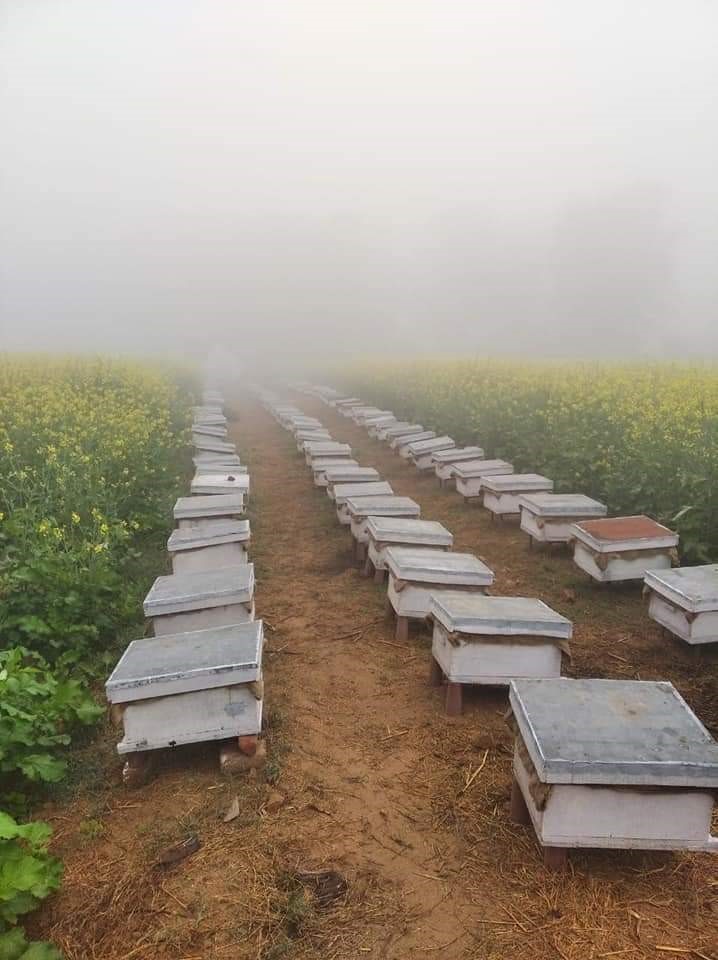
Bees possess several unique characteristics that contribute to their importance in the ecosystem:
- Social Structure: Honeybees and bumblebees exhibit complex social structures within their colonies, with specific roles assigned to queens, drones, and workers.
- Pollination: Bees play a crucial role in pollinating flowering plants, including many crops that humans rely on for food.
- Honey Production: Honeybees have a specialized honey stomach where they store nectar collected from flowers. This nectar is then converted into honey through a process of regurgitation and evaporation.
- Wax Production: Bees secrete wax from glands on their abdomens, which they use to construct the hexagonal cells of their hives.https://www.facebook.com/profile.php?id=100078682091345
Honey Production Process:
The production of honey is a fascinating process that showcases the ingenuity of honeybees:
- Foraging: Worker bees collect nectar from flowers using their proboscis (elongated mouthparts) and store it in their honey stomachs.
- Storage: Upon returning to the hive, the forager bees pass the collected nectar to other worker bees through regurgitation.
- Honeycomb Formation: Worker bees then deposit the nectar into the honeycomb cells, where it undergoes dehydration through fanning with their wings.
- Ripening: Enzymes present in the bees’ saliva break down complex sugars in the nectar into simpler sugars, transforming it into honey.
- Sealing: Once the moisture content of the honey reaches around 17-20%, the bees cap the cells with beeswax to preserve the honey for future use.
Advantages and Disadvantages of Honey:
Advantages:
- Nutritional Value: Honey is a natural sweetener rich in antioxidants, vitamins, and minerals such as potassium and magnesium.
- Medicinal Properties: Honey has been used for centuries in traditional medicine for its antibacterial and anti-inflammatory properties.
- Versatility: Honey can be used in a variety of culinary applications, from sweetening drinks and desserts to glazing meats and vegetables.
Disadvantages:
- High Sugar Content: While honey may offer some health benefits, it is still high in sugar and calories, so it should be consumed in moderation, especially for individuals watching their sugar intake.
- Risk of Contamination: Raw honey may contain traces of pollen, bee parts, or even spores of Clostridium botulinum bacteria, which can pose a risk to infants under one year of age.