Introduction: The Unassuming Legend of Rua dos Sapateiros
In the labyrinthine streets of Lisbon’s Baixa district, where the scent of roasting chestnuts in the winter meets the salty breeze of the Tagus River in the summer, there exists a door that looks like any other. It sits on Rua dos Sapateiros the “Street of the Shoemakers” a narrow artery that has seen the rise and fall of empires, the reconstruction of a city after the Great Earthquake of 1755, and the modern tidal wave of global tourism.

But behind the glass of this particular door, there is no artisanal leather or high-street fashion. Instead, there is steam. Thick, aromatic steam that carries the concentrated essence of the Atlantic Ocean. This is Marisqueira Uma.
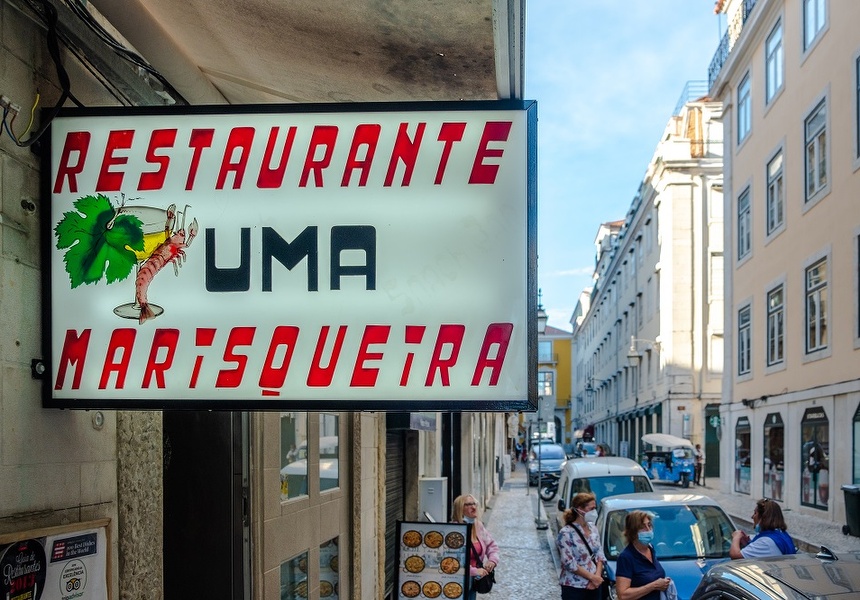
To the uninitiated, UMA looks like a relic of a forgotten era. It has no neon signs, no “Instagrammable” flower walls, and no hostesses waiting with iPads to take your name. It is a restaurant that has achieved global fame through a singular, obsessive focus on one dish: Arroz de Marisco. This is not just a meal; it is a pilgrimage. In this deep dive, we explore why a humble pot of rice has become the defining culinary experience of the Portuguese capital.
Part I: The Historical Context – Baixa and the Street of the Shoemakers
To understand UMA, one must first understand its home. The Baixa Pombalina is the heart of Lisbon. When the 1755 earthquake leveled the city, the Marquis of Pombal rebuilt this area with a grid system that was revolutionary for its time. Each street was dedicated to a specific craft or guild. Rua dos Sapateiros was where the city’s cobblers and shoemakers gathered.
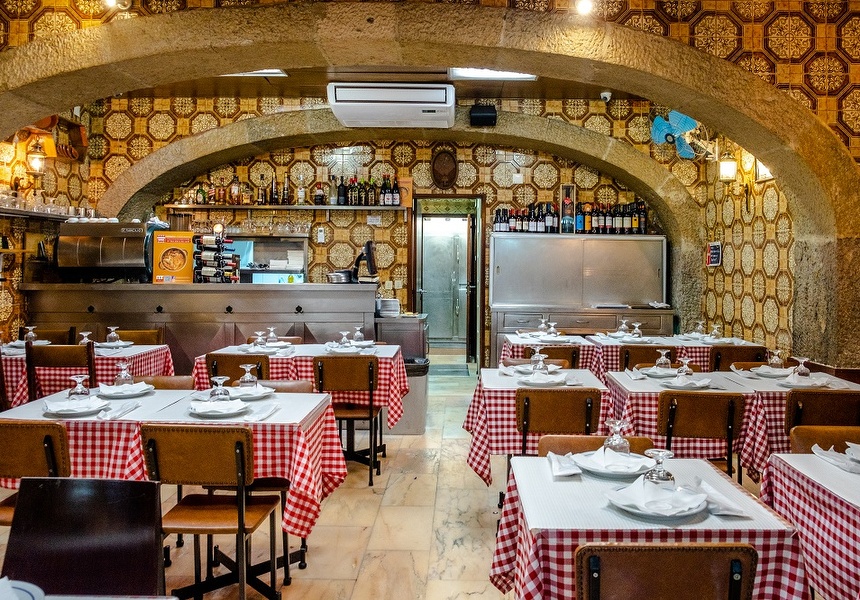
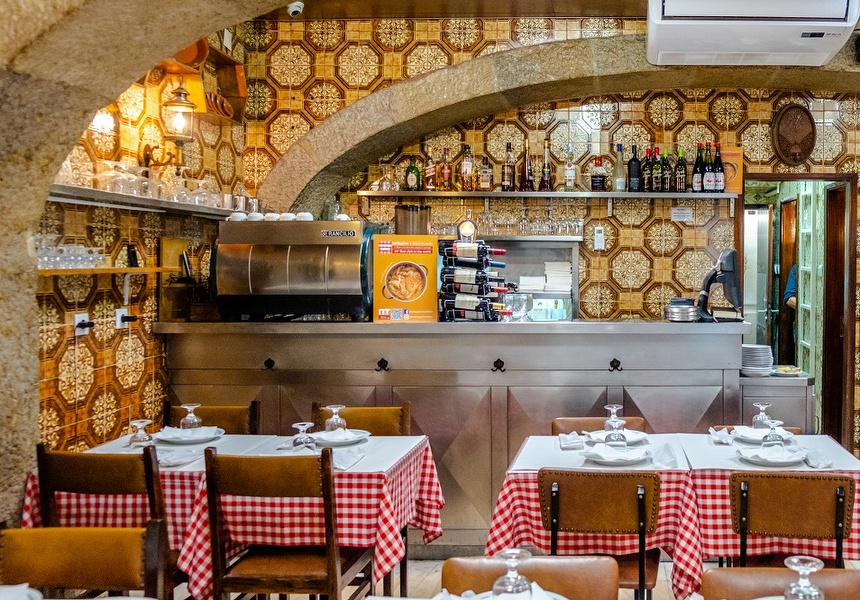
For centuries, these streets were the center of commerce. As the shoemakers faded away, they were replaced by tascas (small taverns) and marisqueiras (seafood houses). UMA is a survivor of this transition. It represents the “Old Lisbon” a city of white-tiled walls, paper tablecloths, and family-run businesses where the owners are more interested in the quality of their broth than the aesthetics of their dining room.
In the last decade, Lisbon has undergone a radical transformation. Neighborhoods like Chiado and Príncipe Real have become hubs for fusion cuisine and Michelin-starred concepts. Yet, UMA remains stubbornly unchanged. It acts as an anchor, holding the Baixa to its roots while the world around it turns into a boutique hotel.
Part II: The Philosophy of the “No-Frills” Experience
In the modern world of hospitality, we are taught that “service is king.” We expect warmth, flexibility, and a smile. UMA challenges this paradigm. The service at UMA is legendary for being “efficiently grumpy.”
There is a psychological phenomenon at play here. When a restaurant is this successful despite a complete lack of traditional “customer service,” it sends a powerful message: The food is so good that nothing else matters.
The “Grumpy” Waiter
The staff at UMA, often led by the patriarch of the family, operate with the precision of a clock. They have one goal: to get a boiling pot of seafood rice from the kitchen to your table as quickly as possible. They do not have time for small talk. They do not want to hear about your allergies unless they are life-threatening. They want you to sit, eat, pay, and make room for the next person in line.
This lack of pretension creates a unique democratic space. Inside UMA, the billionaire and the backpacker are treated with the same blunt efficiency. You are there for the rice, and the staff respects the rice above all else. This “brutal honesty” in service has become part of the restaurant’s charm a badge of honor for those who “survived” the wait and the waiter to reach the prize.
Part III: The Anatomy of Arroz de Marisco
At the heart of the UMA experience is the Arroz de Marisco. To the untrained eye, it might look like a messy pot of soup. To the connoisseur, it is a masterclass in flavor extraction.
- The Rice: Arroz Malandrinho
The Portuguese approach to rice is fundamentally different from the Spanish or the Italian. While the Spanish prize the socarrat (the burnt bottom) of a dry Paella, and the Italians prize the creamy, emulsified texture of a Risotto, the Portuguese love Arroz Malandrinho.
“Malandrinho” translates to “naughty” or “lazy.” It refers to rice that is served in a copious amount of broth. It isn’t absorbed; it swims. At UMA, they use a short-grain rice that maintains its structural integrity even while submerged in boiling liquid. It provides a starchy “pop” that balances the richness of the seafood. - The Broth: The Secret Sauce
The broth at UMA is a deep, burnished orange. It is achieved through a long-simmering refogado a base of onions, garlic, and tomatoes sautéed in high-quality olive oil. To this, they add a concentrated stock made from the heads and shells of countless prawns and crabs.
But the defining characteristic of UMA’s broth is the Cilantro (Coentro). While much of Europe uses parsley as a garnish, the south of Portugal is obsessed with cilantro. It adds a citrusy, herbal brightness that cuts through the heavy brine of the seafood, preventing the dish from becoming overly “fishy.” - The Seafood: A Harvest of the Atlantic
When the pot arrives, it is a chaotic jumble of shells. You will find:
Sapateira (Brown Crab): These are usually broken into large chunks. The body meat infuses the broth, while the claws are left for the diner to crack.
Gambas (Prawns): Large, head-on prawns that are poached to perfection in the rice. The heads are where the flavor is; local etiquette suggests sucking the juices from the head to get the full “ocean” experience.
Ameijoas (Clams) and Mexilhões (Mussels): These act as little salt bombs, releasing their liquor into the pot as they open during the cooking process.
Monkfish or Conger Eel: Often, chunks of firm white fish are hidden at the bottom, providing a meaty contrast to the delicate shellfish.
Part IV: The Ritual of the Meal
Dining at UMA is a sensory experience that begins long before you take a bite. It starts in the queue outside on Rua dos Sapateiros.
The Wait
Because the restaurant is small seating perhaps 30 people and the dish takes 20-30 minutes to prepare, the wait is inevitable. Standing in line at UMA is a rite of passage. You watch people emerge from the restaurant looking dazed, often with orange stains on their shirts, and you know you’re in for something special.
The Couvert
Once seated, the “Couvert” appears. In Portugal, the bread, olives, and cheese placed on your table are not a gift. They are an optional appetizer. At UMA, you might see Queijo de Nisa (a sheep’s milk cheese) or Chouriço. While tempting, the veteran UMA diner knows to go easy on the bread. You will need every cubic centimeter of stomach space for the rice.
The Pot Arrives
There is a specific sound in UMA: the “clack” of a stainless steel pot hitting the wooden table. The pot is usually battered, scorched by thousands of hours on a high-flame burner. It is not “pretty.” But when the waiter lifts the lid, the steam hits you like a physical force.
The Work
This is not a “clean” meal. You are provided with a nutcracker and a small metal pick. To eat at UMA is to engage in manual labor. You must crack the crab claws, peel the prawns, and pry the clams from their shells. By the end of the meal, your hands will be sticky, and your pile of shells will resemble a small mountain. This tactile connection to the food is part of why it tastes so good. It slows you down. It makes you earn every morser of sweet crab meat.
Part V: The Perfect Pairing – Vinho Verde
To wash down a dish as rich and salty as Arroz de Marisco, you need a specific type of wine. The answer is almost always Vinho Verde.
“Green Wine” is not green in color; it is “young” wine from the Minho region in the north. It is characterized by high acidity, low alcohol content (usually 9-11%), and a slight natural effervescence (pétillance).
The acidity of the Vinho Verde acts like a squeeze of lemon over the entire meal. It cleanses the palate between bites of fatty crab and starchy rice. At UMA, the wine list is short and inexpensive, featuring local staples that are designed to be drunk cold and fast.
Part VI: Why UMA Matters in the Age of Gentrification
Lisbon is currently at a crossroads. As one of the most popular tourist destinations in the world, the city is struggling to balance its newfound wealth with its historical identity. Many traditional tascas have been replaced by brunch spots selling avocado toast and matcha lattes.
UMA stands as a bulwark against this trend. It doesn’t care about “trends.” It doesn’t offer a vegan option for its seafood rice. It doesn’t have a QR code menu.
By remaining exactly as it was thirty years ago, UMA provides a sense of continuity. It reminds both locals and visitors that the true luxury of Lisbon isn’t found in a five-star hotel lounge, but in a bubbling pot of rice cooked by people who have mastered a single craft over a lifetime. It is an “honest” restaurant in an increasingly curated world.
Part VII: Practical Advice for the Modern Traveler
If you are planning to visit UMA, you cannot approach it like a standard restaurant. You need a strategy.
The “Early Bird” Rule: UMA typically opens for lunch at 12:00 PM and dinner at 7:00 PM. If you arrive at 12:15, you are likely already too late for the first seating. Arrive at 11:40 AM. Stand by the door. Be the first one in.
The Cash Strategy: While technology is slowly creeping in, the card machine at UMA is notoriously temperamental. Do not risk the awkwardness of a declined international card. Carry enough cash to cover a €50-€60 meal for two.
The Dress Code: Do not wear white. Do not wear silk. The “splash zone” of a bubbling seafood pot is real. Wear something casual and easily washable.
The Portion Size: The Arroz de Marisco is sold “for two.” However, it is a massive amount of food. If you are three people, you can often order the “for two” portion and add a small side or appetizer, and you will still leave full.
Respect the Rules: If the waiter tells you to sit in a specific chair, sit there. If they tell you to wait, wait. Don’t try to “hack” the system. The more you blend into the flow of the restaurant, the better your experience will be.
Part VIII: Exploring the Neighborhood (Post-Meal Walk)
After a meal at UMA, a walk is not just suggested it is a biological necessity. The sheer volume of carbohydrates and protein requires movement. Fortunately, UMA is perfectly positioned for a “Digestive Tour” of Lisbon.
- The Santa Justa Lift
Just a few steps from UMA is the Elevador de Santa Justa. This Neo-Gothic iron tower was designed by a student of Gustave Eiffel. While the line to ride it is often long, simply walking past it and admiring the intricate ironwork is a great way to start your walk. - Rossio Square (Praça de D. Pedro IV)
Walking north from Rua dos Sapateiros brings you to Rossio. With its wave-patterned cobblestones (calçada portuguesa) and grand fountains, it is the perfect place to sit on a bench and people-watch while your stomach settles. - The Arco da Rua Augusta and the River
Walking south leads you through the grand archway and into the Praça do Comércio. This massive square opens up directly onto the Tagus River. The breeze coming off the water is the perfect antidote to the hot, steamy atmosphere of UMA’s dining room.
Part IX: The Legacy of the Arroz de Marisco
Is UMA the best seafood restaurant in Lisbon? That is a matter of fierce debate. Places like Ramiro offer a wider variety of shellfish. Cervejaria Pinoquio offers a more refined atmosphere.
The legacy of UMA is that it has turned a peasant dish a way to stretch a few pieces of seafood with a lot of rice and water into a world-class delicacy. It proves that culinary greatness doesn’t require expensive equipment or a team of sous-chefs. It requires a pot, a flame, fresh ingredients, and the patience to let the flavors meld.
Conclusion: The Final Drop
As you scrape the bottom of the stainless steel pot at UMA, you will find the “concentrate.” The rice at the bottom has become almost a paste, thick with the fats of the crab and the sweetness of the prawns. This final spoonful is the reward for all your hard work cracking shells.
Walking out of UMA into the cool air of Rua dos Sapateiros, you will likely feel two things: incredibly full, and incredibly lucky. In a world of fleeting trends and digital noise, UMA Marisqueira is a solid, steaming, salty reality. It is a reminder that some things are worth waiting for, some things are worth getting your hands dirty for, and the best meals are often found in the simplest pots.
If you visit Lisbon and don’t eat at UMA, you have seen the city, but you haven’t tasted it. Go early, bring cash, and prepare for the best pot of rice of your life.
Quick Stats for the Traveler:
Signature Dish: Arroz de Marisco (Seafood Rice)
Location: Rua dos Sapateiros 177, 1100-044 Lisboa, Portugal
Price Range: €€ (Moderate)
Vibe: Traditional, No-Frills, Authentic
Must Try: The house Vinho Verde
Pro Tip: Look for the “Golden Garlic” award on the wall one of the few accolades the owner actually displays.