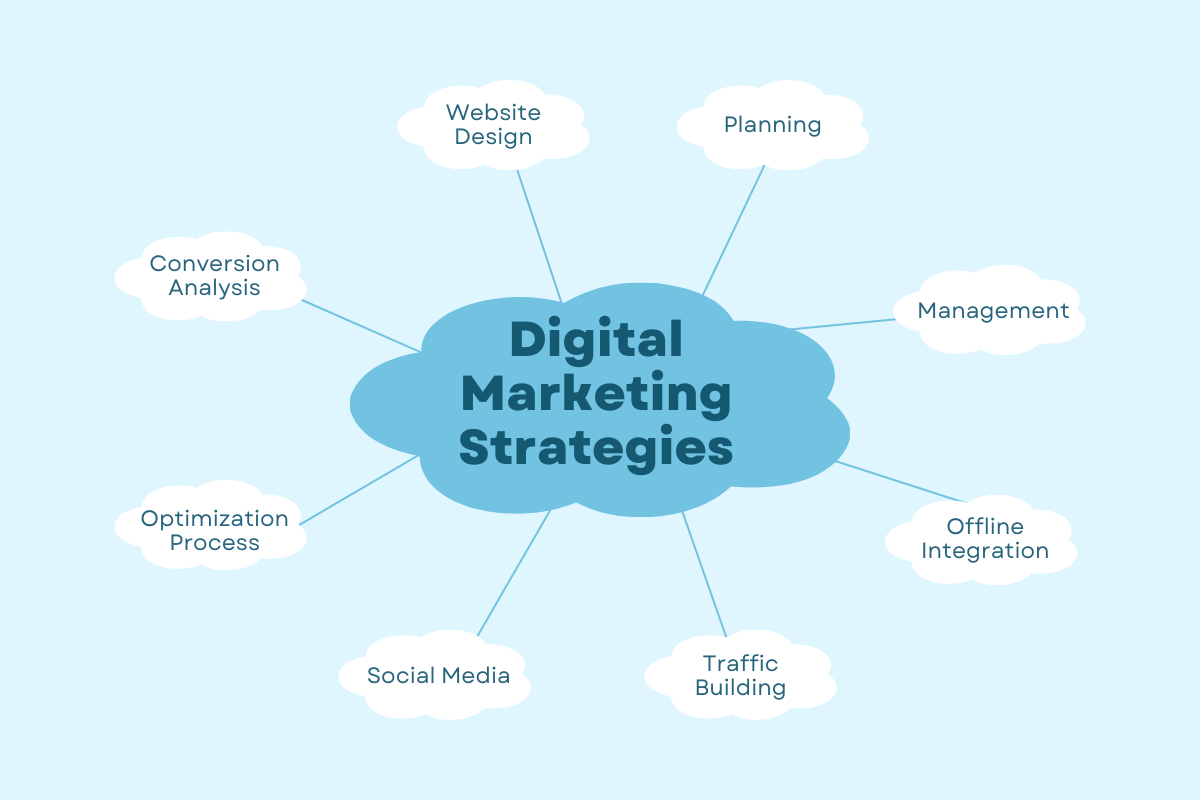
Hello, fellow marketers and business owners! As we step into Digital Marketing Strategies 2026, the digital landscape is evolving faster than ever, driven by AI advancements, shifting consumer behaviors, and a push for authenticity and privacy. Whether you’re a seasoned expert like Dipak Paneru, optimizing Google Business Profiles in Global , or just starting out, crafting a robust digital marketing strategy is essential for staying ahead. In this comprehensive blog post, we’ll dive deep into what makes a winning strategy, key components, emerging trends, and practical steps to implement and measure success. Let’s turn insights into action!
- Eenvoudige navigatie maakt het beste casino België online verrassend toegankelijk
- Test Post Created
- Navigating 9kboss India feels surprisingly seamless even for first-timers
- Test Post Created
- Navigating Australia’s Betting Apps without Losing Your Mind
What Is a Digital Marketing Strategy?
At its core, a digital marketing strategy is a structured plan that leverages online channels such as search engines (including Google and AI-driven tools), content marketing, video, email, social media, and paid advertising to attract, engage, and convert your target audience. It’s not just about tactics like posting on social media or running ads; it’s a holistic system that aligns with your business goals, builds trust, and drives measurable revenue.
In 2026, the game has changed. Buyers are empowered, conducting their own research via AI assistants, peer reviews, and zero-click searches (where answers appear directly in search results without needing to visit a site). Traditional approaches focused on traffic and leads are outdated because consumers demand transparency, personalization, and value without feeling “sold to.” A strong strategy emphasizes trust-building, where education and empathy shorten sales cycles and foster long-term loyalty.
Why does this matter? With AI handling more queries and privacy regulations tightening (e.g., the decline of third-party cookies), businesses must prioritize first-party data and authentic interactions to differentiate themselves. A well-executed strategy can boost engagement by 2-3x, improve ROI, and adapt to real-time trends like voice search and immersive content.
Key Components of a Successful Digital Marketing Strategy
Building a strategy isn’t about chasing every trend it’s about foundational elements tailored to your audience and goals. Here’s a breakdown:
1. Audience Research and Buyer Personas
Start with deep insights into your customers. Who are they? What problems do they face? In Nepal, for instance, local businesses might target urban millennials in Kathmandu seeking tech-savvy solutions, while rural audiences prioritize affordability and trust.
- Tools and Tips: Use surveys, analytics (e.g., Google Analytics), and AI for sentiment analysis. Create detailed personas including demographics, behaviors, and pain points.
- Impact: Personalized strategies based on this can increase conversion rates by up to 20%.
2. Goal Setting and KPIs
Define SMART goals (Specific, Measurable, Achievable, Relevant, Time-bound). Shift from vanity metrics like impressions to revenue-focused ones: customer lifetime value (CLV), cost per acquisition (CPA), and engagement rates.
- Example: Aim for a 15% increase in qualified leads via content marketing within six months.
- Measurement: Implement multi-touch attribution models using AI to track contributions across channels, avoiding last-click biases.
3. Channel Selection and Integration
Choose channels based on where your audience hangs out:
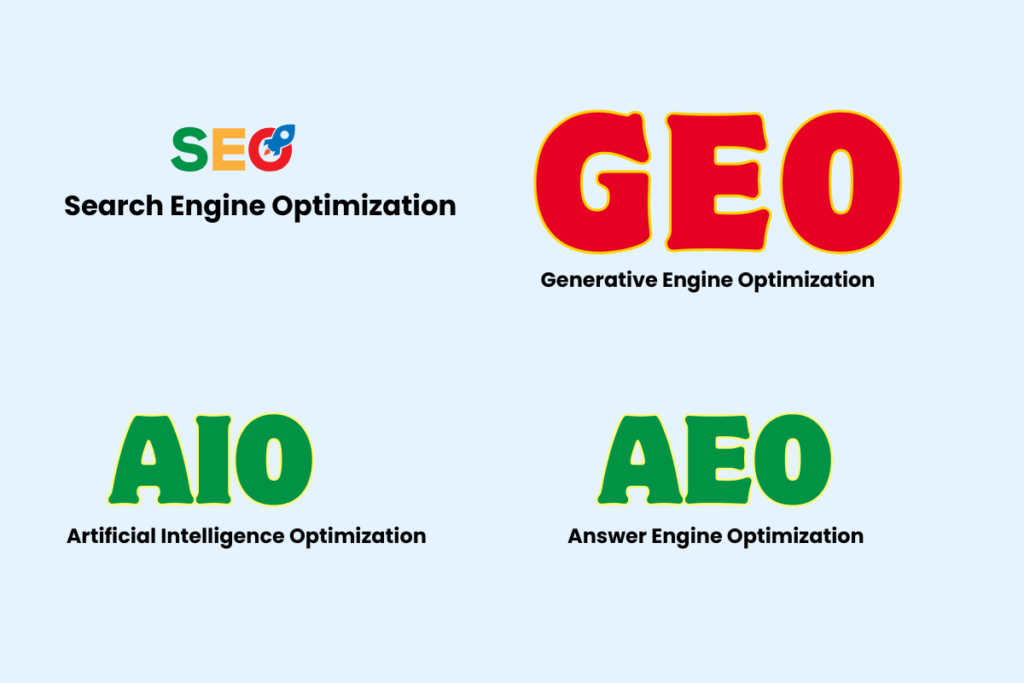
- Search (SEO/GEO/AEO AIO): Optimize for traditional SEO, Generative Engine Optimization (GEO) for AI citations, and Answer Engine Optimization (AEO) for snippets. Focus on E-E-A-T (Experience, Expertise, Authoritativeness, Trustworthiness).
- Content Marketing: Build ecosystems with pillar pages and topic clusters, not random posts.
- Social Media: Leverage platforms like TikTok and Instagram for discovery, emphasizing social search and community building.
- Email and Automation: Use behavior-based nurturing for personalized outreach.
- Video: Prioritize short-form (6-20 seconds) for engagement and long-form on YouTube for education.
- Paid Media: Amplify organic successes, not as a crutch.
Integrate channels for a seamless omnichannel experience e.g., social posts driving to educational content on your site.
4. Content Creation and Distribution
Content is king, but in 2026, it’s about quality over quantity. Address “The Big 5” topics: pricing, problems, comparisons, reviews, and best-of lists to attract high-intent buyers. Use AI for ideation and repurposing, but humanize with authentic voices.
- Tips: Create interactive content like quizzes or AR try-ons for 2-3x higher engagement. Distribute via social commerce for in-app purchases.
5. Budgeting and Tools
Allocate budgets dynamically with AI predictive analytics. Invest in CDPs (Customer Data Platforms) for first-party data management and tools like HubSpot or Google Analytics for tracking.
Emerging Trends Shaping Digital Marketing in 2026
The future is here , here are the top trends to incorporate, drawn from expert predictions:
- AI-Powered Personalization and Automation: AI agents handle workflows, from content creation to sentiment analysis, enabling hyper-personalized experiences at scale. Tip: Train AI on your brand voice to avoid generic output.
- GEO and AEO Rise: Optimize for AI engines by creating cite-worthy content with structured data and original research. This complements, not replaces, SEO.
- Video-First and Short-Form Dominance: Short videos on Reels and TikTok drive discovery; use authenticity to hook viewers in 3 seconds.
- First- and Zero-Party Data Priority: Collect owned data via value exchanges (e.g., quizzes) for privacy-compliant personalization.
- Community-Driven and Influencer Marketing: Build exclusive groups and long-term micro-influencer partnerships for co-creation and trust.
- Zero-Click and Hyperlocal Search: Focus on snippets and voice-activated queries; optimize Google Business Profiles for local visibility.
- Sustainability and Nostalgic Marketing: Highlight proven eco-benefits and remix nostalgia for emotional resonance.
- Interactive/Immersive Experiences: AR/VR for engagement and data collection.
- Social Commerce and Multi-Touch Attribution: Enable seamless buys and use AI for accurate ROI tracking.
- Human-Centric Content and Brand Presence: Personal brands and omnichannel consistency outperform corporate pages.
These trends signal a shift toward ethical, tech-enhanced marketing that values human connections.
How to Implement and Measure Your Strategy
Implementation Steps
- Align Teams: Foster company-wide buy-in, including sales and leadership.
- Build Infrastructure: Set up CRMs, AI tools, and self-service features like pricing calculators.
- Create and Test: Launch content addressing buyer questions, then A/B test.
- Scale with AI: Automate personalization while monitoring for authenticity.
- Adapt Locally: For Nepal-based strategies, emphasize mobile-first (high smartphone penetration) and local SEO via Google Business Profiles.
Measurement and Optimization
Use tools like Google Analytics and Media Mix Modeling for revenue attribution. Track engagement signals (e.g., video completion rates) and adjust based on data. Conduct quarterly audits to refine.
Conclusion: Future-Proof Your Business
In 2026, digital marketing success hinges on trust, AI integration, and buyer empowerment. By building a strategy around these pillars grounded in data, trends, and authenticity you’ll not only survive but thrive. As Dipak Paneru demonstrates through his work in SEO and community building, blending local roots with global tools creates real impact.
-
Eenvoudige navigatie maakt het beste casino België online verrassend toegankelijk
De overzichtelijke indeling van het beste casino België online zorgt ervoor dat spelers snel hun weg vinden, wat het plezier en de toegankelijkheid tijdens het spelen ten goede komt.
-
Test Post Created
Test Post Created
-
Navigating 9kboss India feels surprisingly seamless even for first-timers
Navigating 9kboss India offers a straightforward and intuitive experience, making it easy for newcomers to feel comfortable while exploring its features and options.